Motorola Moto G Max vs Motorola Moto G77 Power
A comprehensive, side-by-side technical breakdown of 7,000mAh battery smartphones.
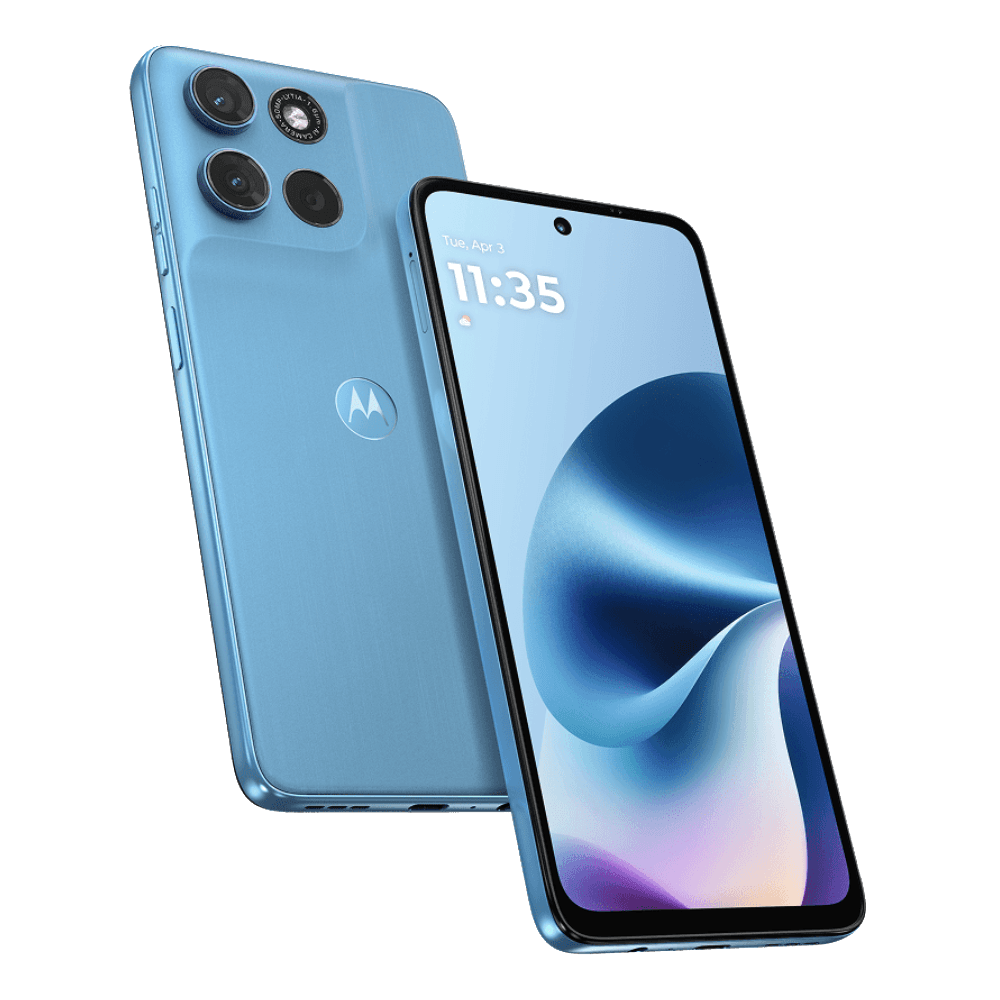
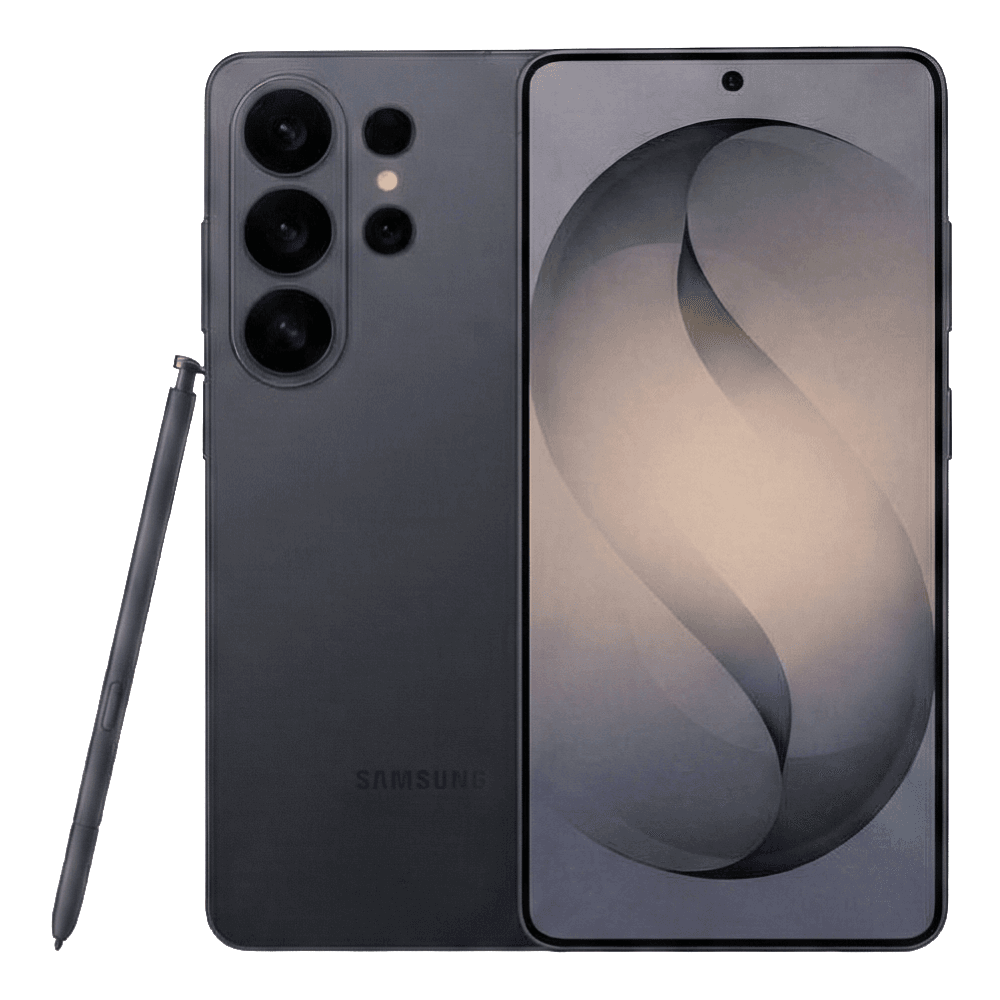
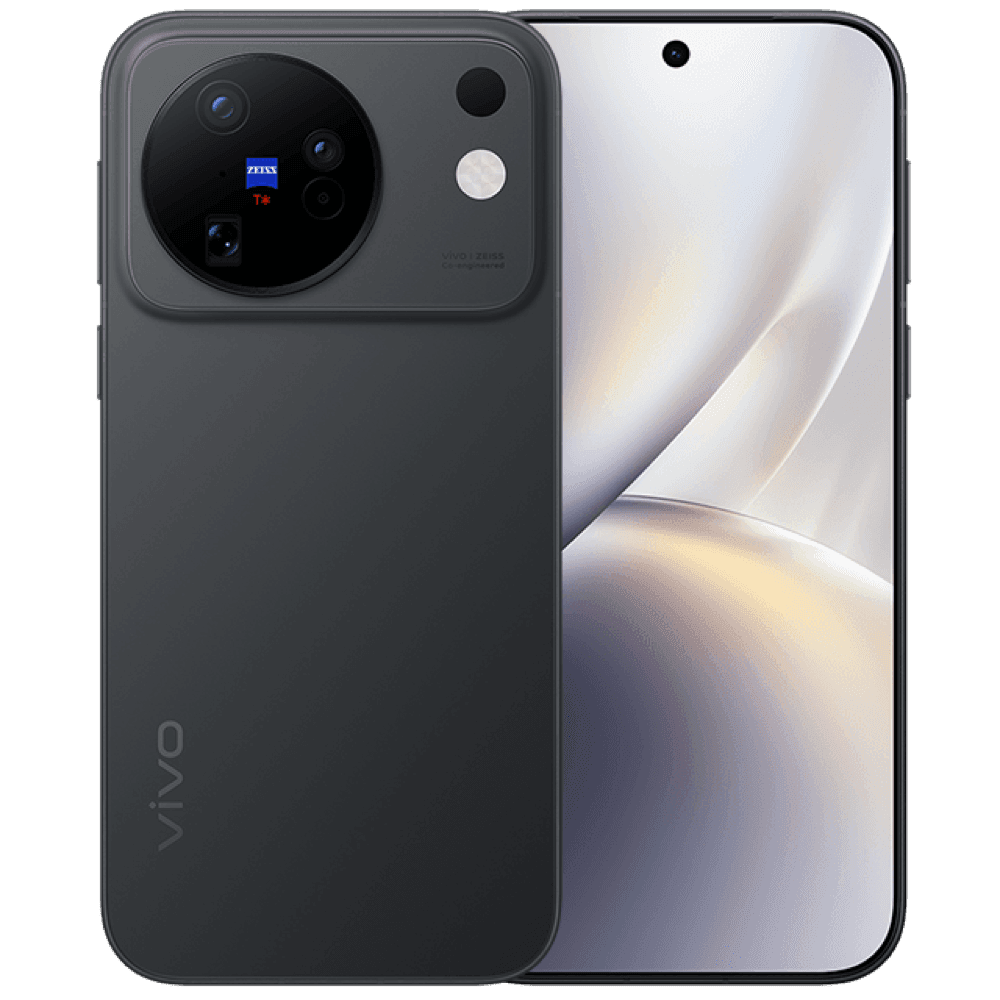
Motorola Moto G Max
Thickness: 8.6 mm (Slimmer)
Weight: 213 g
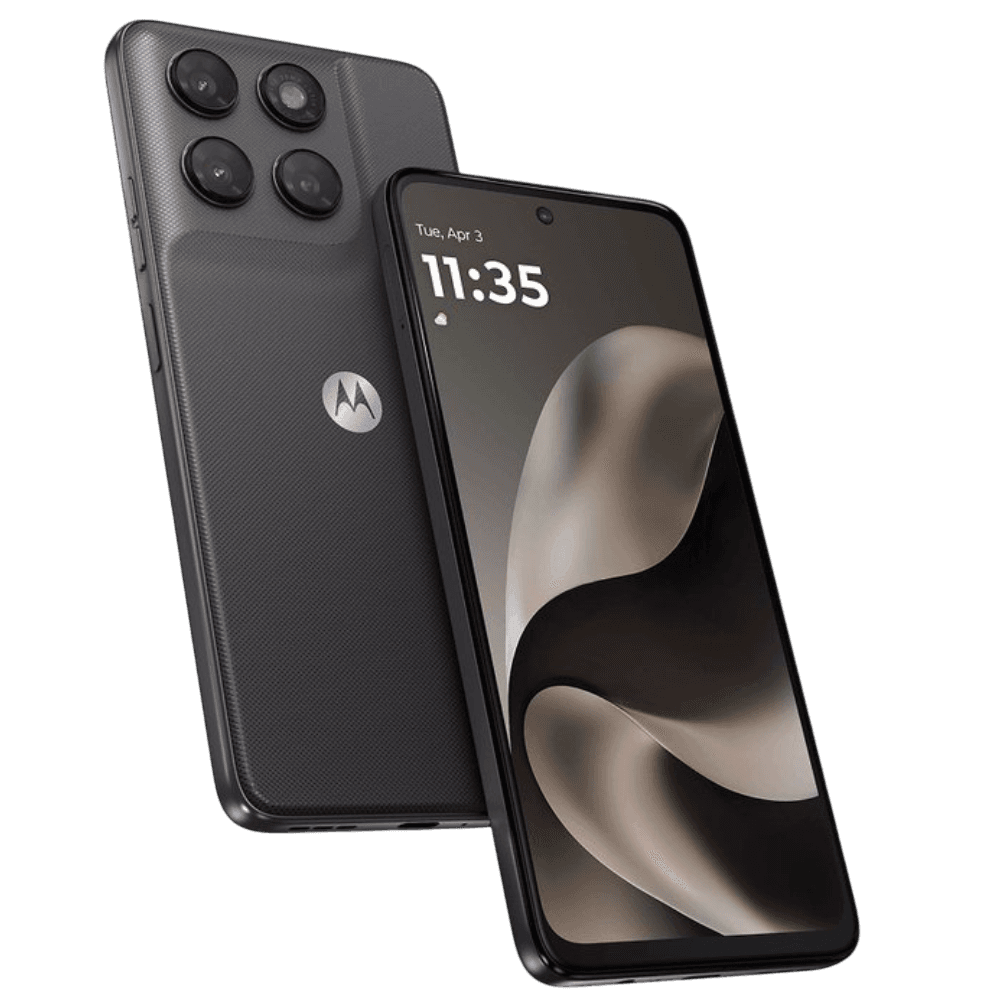
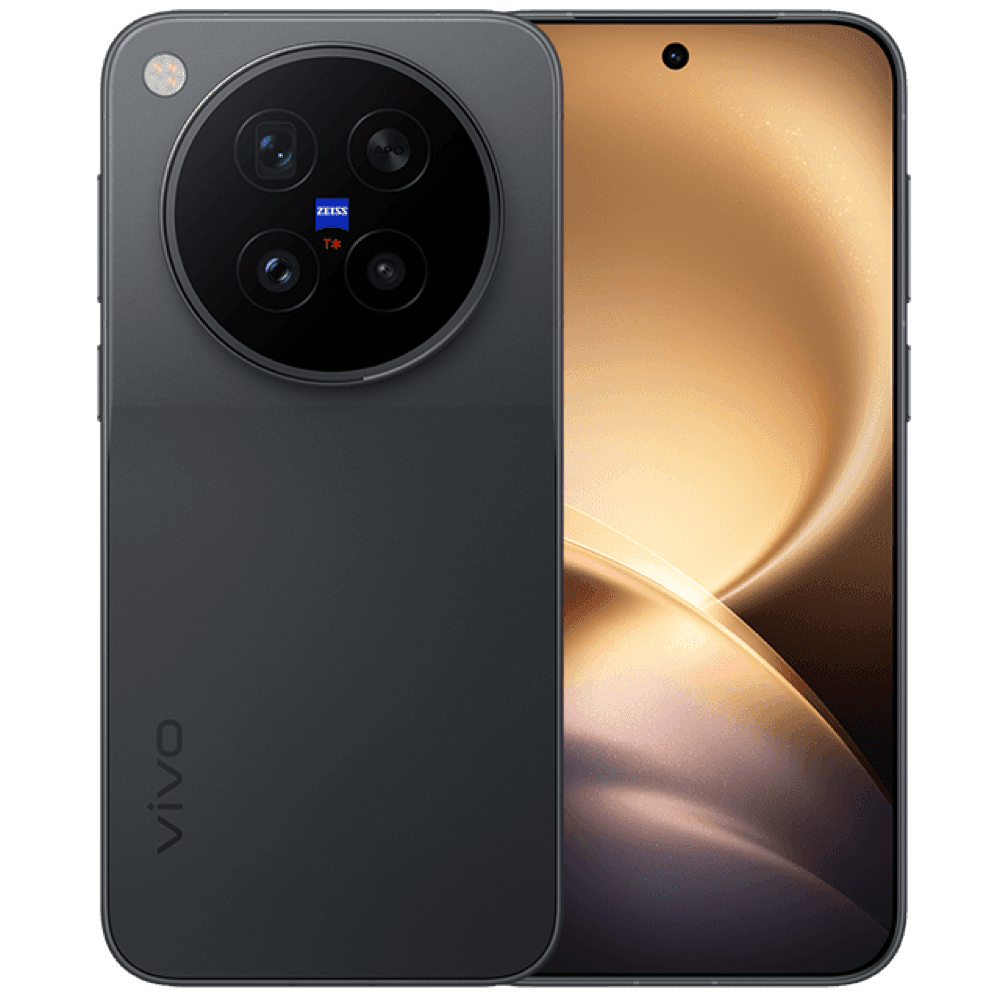
Motorola Moto G77 Power
Thickness: 8.9 mm
Weight: 215 g
General Specifications | ||
| Specification | Motorola Moto G Max | Motorola Moto G77 Power |
|---|---|---|
| Brand | Motorola | Motorola |
| Model | Moto G Max 5G | Moto G77 Power 5G |
| Announcement Date | August 10, 2026 | July 08, 2026 |
| Release Status | Released August 14, 2026 | Released July 13, 2026 |
| Price / Launch MSRP | ₹27,999 (~$330) | About 240 EUR (~₹22,000) |
Design & Build | ||
| Height | 166.2 mm | 166.2 mm |
| Width | 76.5 mm | 76.5 mm |
| Thickness / Depth | 8.6 mm | 8.9 mm |
| Weight | 213 grams (7.51 oz) | 215 grams (7.58 oz) |
| Front Material | Corning Gorilla Glass 7i | Corning Gorilla Glass 7i |
| Back Material | Plastic (Stargazer Slate / Alaskan Blue) | Plastic or Silicone Polymer (Eco Leather) |
| Frame Material | Plastic | Plastic |
| IP Protection Rating | IP64 dust tight & water splash resistant | IP64 dust tight & water splash resistant |
| Durability Standard | MIL-STD-810H compliant | MIL-STD-810H compliant |
| SIM Slots | Nano-SIM + Nano-SIM | Nano-SIM + Nano-SIM |
Display | ||
| Display Technology | IPS LCD, 120 Hz | IPS LCD, 120 Hz |
| Screen Size | 6.72 inches (~86.2% screen-to-body) | 6.72 inches (~86.2% screen-to-body) |
| Resolution | FHD+ (1080 x 2400 pixels) | FHD+ (1080 x 2400 pixels) |
| Aspect Ratio | 20:9 ratio | 20:9 ratio |
| Pixel Density | ~391 ppi density | ~391 ppi density |
| Refresh Rate | 120 Hz High Refresh | 120 Hz High Refresh |
| Peak Brightness (HBM) | 1050 nits | 1050 nits |
| Glass Protection | Corning Gorilla Glass 7i | Corning Gorilla Glass 7i |
Performance & Hardware | ||
| Operating System | Android 16 | Android 16 |
| Software Support | Up to 2 major OS updates (Android 18) | Up to 1 major OS update (Android 17) |
| Chipset / SoC | Qualcomm Snapdragon 6s Gen 4 (4 nm) | MediaTek Dimensity 6400 (6 nm) |
| CPU Architecture | Octa-core (4x2.4 GHz Cortex-A78 & 4x1.8 GHz Cortex-A55) | Octa-core (2x2.5 GHz Cortex-A76 & 6x2.0 GHz Cortex-A55) |
| GPU | Qualcomm Adreno | ARM Mali-G57 MC2 |
| Base RAM | 6 GB LPDDR5X | 8 GB LPDDR4X |
| Internal Storage | 128 GB / 256 GB | 128 GB |
| Storage Standard | UFS 3.1 (High-speed read/write) | UFS 2.2 |
| Expandable Storage | microSDXC (uses shared SIM slot) | microSDXC (uses shared SIM slot) |
Camera | ||
| Rear Camera Setup | Dual (50 MP wide + 8 MP ultrawide) | Dual (50 MP wide + 8 MP ultrawide) |
| Main Sensor Resolution | 50 MP, f/1.8, 1/1.95", 0.8µm, PDAF | 50 MP, f/1.8, 1/1.95", 0.8µm, PDAF |
| Ultrawide Camera | 8 MP, f/2.2, 120˚ FOV, 1.12µm | 8 MP, f/2.2, 120˚ FOV, 1.12µm |
| Rear Video Recording | 1440p @ 30 fps, 1080p @ 30/60 fps | 1440p @ 30 fps, 1080p @ 30/60 fps (gyro-EIS) |
| Front Camera (Selfie) | 32 MP, f/2.2, 0.7µm | 32 MP, f/2.2, 0.7µm, HDR |
| Front Video Recording | 1080p @ 30 fps | 1440p @ 30 fps, 1080p @ 30 fps |
Battery & Charging | ||
| Battery Capacity | 7,000 mAh (Silicon-Carbon Li-Ion) | 7,000 mAh (Li-Ion) |
| Wired Fast Charging | 30W TurboPower wired | 30W TurboPower wired |
| Reverse Wired Charging | Not supported | 6W reverse wired charging (powerbank mode) |
Audio & Connectivity | ||
| Loudspeakers | Stereo speakers with Dolby Atmos | Stereo speakers with Dolby Atmos |
| 3.5mm Headphone Jack | Yes (24-bit/192kHz Hi-Res audio) | Yes (24-bit/192kHz Hi-Res audio) |
| Bluetooth Version | 5.1, A2DP, LE | 5.4, A2DP, LE |
| Wi-Fi Protocol | Wi-Fi 802.11 a/b/g/n/ac, dual-band | Wi-Fi 802.11 a/b/g/n/ac, dual-band |
| FM Radio | Yes | Yes |
| USB Interface | USB Type-C 2.0 | USB Type-C 2.0, OTG |
| Biometrics & Sensors | Side-mounted fingerprint, gyro, compass | Side-mounted fingerprint, gyro, compass |
Performance & Endurance Balance
Comprehensive assessment across 7,000mAh battery life, Snapdragon 6s Gen 4 compute, UFS 3.1 storage, 120Hz display, and OS update policies
Estimated Performance Benchmarks
Snapdragon 6s Gen 4 (4x A78) vs MediaTek Dimensity 6400 (2x A76) compute comparison
7,000 mAh Monster Battery Endurance
Massive battery capacities capable of 2 to 3 days of standard mixed usage
Both devices pack massive 7,000 mAh batteries, 120Hz 6.72-inch displays, and 50MP dual cameras, but differences in chip architecture, storage speeds, reverse charging, and OS updates tailor each phone to specific buyer needs.
| Target Persona | Moto G Max | Moto G77 Power |
|---|---|---|
The Mobile Gamer & Heavy Multitasker Needs the 4 performance Cortex-A78 cores and fast UFS 3.1 storage for smoother frame rates and quicker app loading. | 9.3/ 10 Best Fit | 8.0/ 10 |
The Budget-Conscious Battery Seeker Wants maximum battery life and 8GB RAM at the lowest possible price point. | 8.5/ 10 | 9.4/ 10 Best Fit |
The Multi-Device Commuter & Powerbank User Uses the 6W reverse charging feature to top up earbuds, smartwatches, or a secondary phone on the go. | 8.0/ 10 | 9.6/ 10 Best Fit |
The Long-Term 2-3 Year Owner Wants 2 guaranteed Android OS upgrades (Android 17 & 18) and a durable 4nm chipset architecture. | 9.4/ 10 Best Fit | 8.1/ 10 |
The Casual Vlogger & Video Recorder Values gyro-EIS stabilization on rear video and 1440p resolution recording on the front selfie camera. | 8.2/ 10 | 9.2/ 10 Best Fit |
Top 10 Core Metrics Analysis
Comparative score breakdown across 4nm CPU horsepower, UFS 3.1 speeds, battery stamina, reverse charging, and 2-year OS upgrades
Motorola Moto G Max
Features the 4nm Snapdragon 6s Gen 4 with 4 high-performance Cortex-A78 cores, faster UFS 3.1 storage, a slimmer 8.6mm body, and 2 major Android OS updates.
Motorola Moto G77 Power
Offers 8GB base RAM, 6W reverse wired charging to power accessories, Bluetooth 5.4, gyro-EIS camera stabilization, and an accessible price point.