
Mac mini M4 vs Mac mini M6
Base model against base model: what two generations actually change.
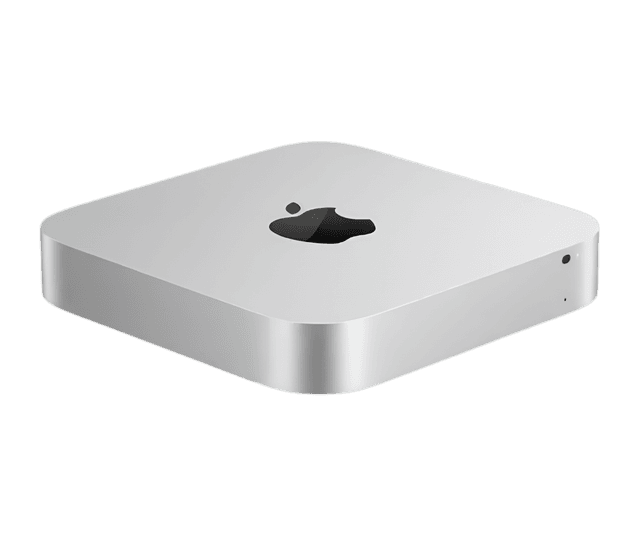
Mac mini (M4)
Thickness: 127 mm
Weight: 670 g
Mac mini (M6)
Thickness: 127 mm
Weight: 670 g
General Specifications | ||
| Specification | Mac mini (M4) 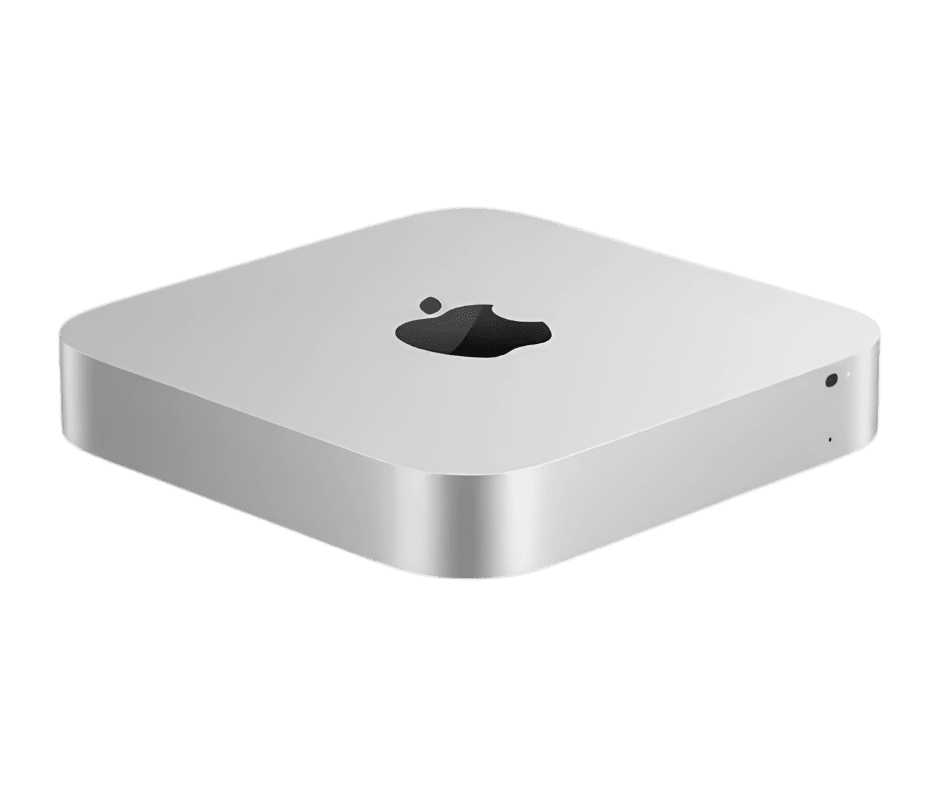 | Mac mini (M6) |
|---|---|---|
| Brand | Apple | Apple |
| Model | Mac mini (M4, 2024) | Mac mini (M6) |
| Chip | Apple M4 | Apple M6 |
| Position in lineup | Previous generation | Current generation |
CPU & GPU | ||
| CPU cores | 10-core | 12-core |
| CPU core layout | 4 performance + 6 efficiency | 2 super + 4 performance + 6 efficiency |
| GPU cores | 10-core | 12-core |
| Neural Engine | 16-core | Dual 16-core |
| Memory bandwidth | 120GB/s | 153GB/s |
Memory & Storage | ||
| Starting unified memory | 16GB | 16GB |
| Memory options | 16GB, 24GB, 32GB | 16GB, 24GB, 32GB |
| Starting storage | 256GB SSD | 256GB SSD |
| Storage options | 256GB, 512GB, 1TB, 2TB | 256GB, 512GB, 1TB, 2TB |
Ports & Connectivity | ||
| Front ports | 2x USB-C (10Gb/s) + 3.5 mm jack | 2x USB-C (10Gb/s) + 3.5 mm jack |
| Thunderbolt | 3x Thunderbolt 4 (40Gb/s) | 3x Thunderbolt 4 (40Gb/s) |
| Ethernet | Gigabit (10Gb option) | 2.5Gb (10Gb option) |
| HDMI | HDMI port | HDMI port |
| Wi-Fi | Wi-Fi 6E | Wi-Fi 7 |
| Bluetooth | Bluetooth 5.3 | Bluetooth 6 |
| Thread | Not stated | Thread support |
Display Support | ||
| External displays | Up to three displays | Up to three external displays |
| Single display maximum | 8K at 60Hz (HDMI) | 8K at 60Hz, 5K at 120Hz or 4K at 240Hz |
| Multi-display maximum | Up to three displays | 2x 6K at 60Hz or 4K at 165Hz, plus 5K at 60Hz |
Media Engine | ||
| Hardware acceleration | H.264, HEVC, ProRes, ProRes RAW | H.264, HEVC, ProRes, ProRes RAW |
| Video engines | Video + ProRes encode and decode | Video + ProRes encode and decode |
| AV1 | AV1 decode | AV1 decode |
Design & Power | ||
| Height | 5.0 cm | 4.97 cm |
| Width | 12.70 cm | 12.70 cm |
| Depth | 12.70 cm | 12.70 cm |
| Weight | 0.67 kg | 0.67 kg |
| Maximum continuous power | 155W | 155W |
| Audio | Speaker, 3.5 mm jack | Speaker, high-impedance 3.5 mm jack, HDMI multichannel |
Hardware & Feature Balance
Generational comparison across CPU and GPU cores, Neural Engine, memory bandwidth, networking, and display output
Generational Hardware Gains
Relative on-paper capability, indexed against the M6 base model at 100
Memory Bandwidth
Unified memory bandwidth available to the chip (higher is better)
Both machines share the same chassis, the same 16GB starting memory and the same 256GB starting storage, so the decision comes down to how much the newer chip, faster memory and better networking matter to you.
| Target Persona | M4 | M6 |
|---|---|---|
The Everyday Desktop User Browsing, email, documents and video calls, where both machines start at 16GB of memory and neither will feel slow. | 9.2/ 10 | 9.5/ 10 Best Fit |
The Video Editor Wants the wider 153GB/s memory bandwidth, two extra GPU cores and the same ProRes and AV1 media engine support. | 8.3/ 10 | 9.6/ 10 Best Fit |
The On-Device AI Tinkerer Benefits most from the dual 16-core Neural Engine, which is the single largest change between these two generations. | 7.9/ 10 | 9.7/ 10 Best Fit |
The Home Server and Network User Gains from 2.5Gb Ethernet as standard instead of Gigabit, plus Wi-Fi 7, Bluetooth 6 and Thread support. | 7.6/ 10 | 9.5/ 10 Best Fit |
The Value Buyer Both start at 16GB memory and 256GB storage in the same chassis, so a discounted M4 remains the cheaper route to a Mac desktop. | 9.4/ 10 Best Fit | 8.6/ 10 |
Top 10 Core Metrics Analysis
Comparative score breakdown across CPU and GPU performance, Neural Engine, memory bandwidth, networking, and value
Mac mini (M4)
A 10-core CPU, 16-core Neural Engine and the same 16GB starting memory make it more than enough for everyday work, and it is the cheaper way in.
Mac mini (M6)
Two extra CPU cores, two extra GPU cores, a dual 16-core Neural Engine, faster memory, 2.5Gb Ethernet, Wi-Fi 7 and Bluetooth 6 for the same starting memory and storage.